Facebook
 X
X
 Pinterest
 Copy Link
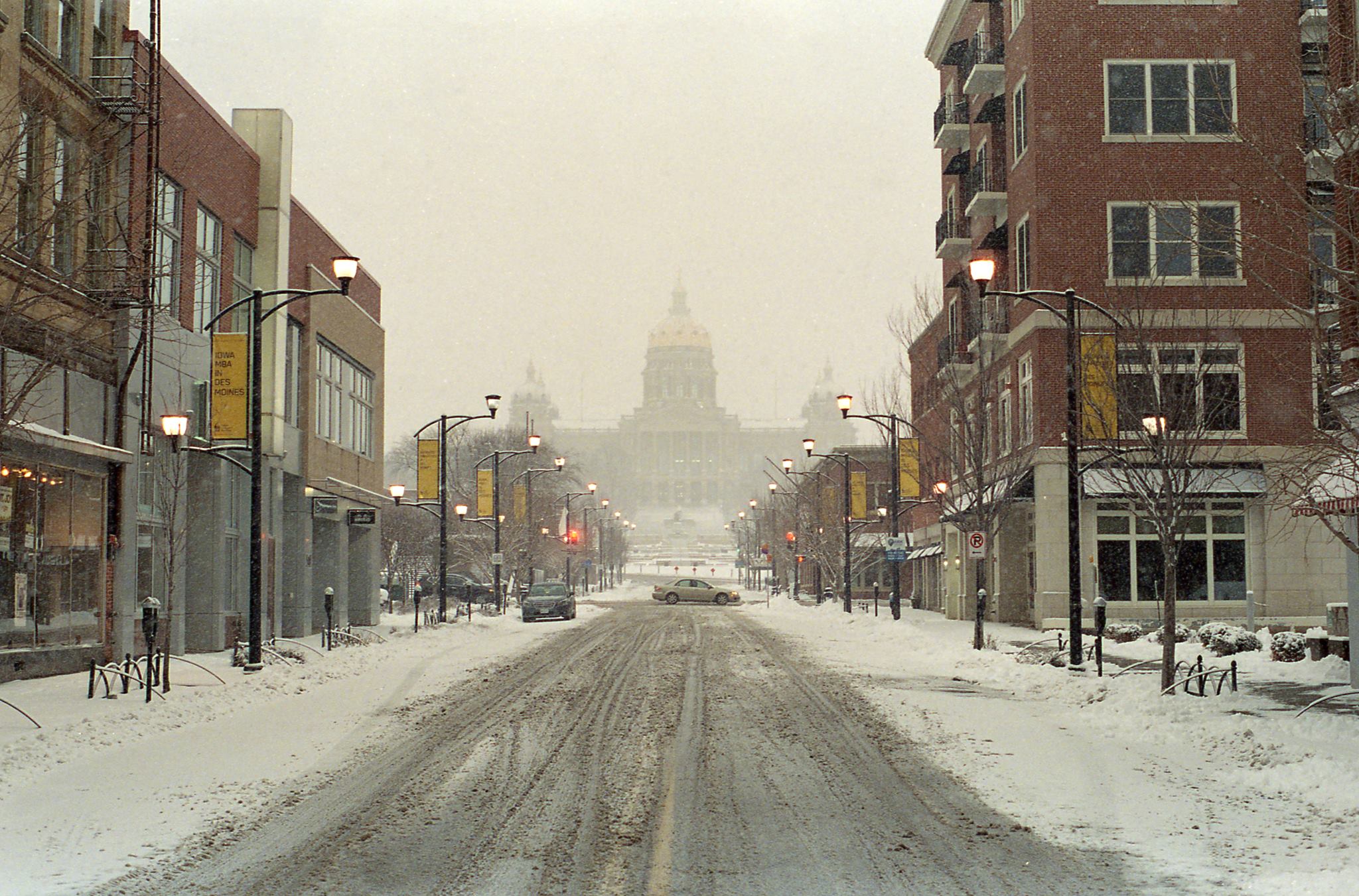
Iowa homeowners know the drill. One day you’re enjoying 70-degree afternoons, and the next you’re wondering where you put the snow shovel.
Winter has a way of showing up quickly in Iowa, which is why fall is one of the best times to take care of a few home-maintenance items before the temperatures really drop.
The good news? You don’t necessarily need to spend a fortune or tackle a massive renovation project.
A little preparation now can help you avoid some very unpleasant surprises when the first deep freeze, snowstorm or stretch of single-digit temperatures arrives.
If you own a home in Iowa, here are 10 things I’d put on your fall home-maintenance checklist.
1. Clean out your gutters
Let’s start with one of the least exciting, yet one of the most important, jobs.
Leaves, sticks and other debris can prevent your gutters from properly moving water away from your home. That can contribute to water problems around your foundation, and when temperatures drop, trapped water can freeze and create additional problems.
Iowa State University Extension recommends cleaning gutters before winter and checking that they’re functioning properly.
While you’re up there, take a look for:
-Loose or damaged gutters
-Leaking seams
-Loose downspouts
-Downspouts that aren’t directing water away from the foundation
-Areas where water appears to pool
Small job now. Potentially much bigger headache later.
2. Give your furnace a checkup
Nobody wants to discover their furnace isn’t working when it’s 5 degrees outside.
Before you really need your heat, consider having your HVAC system inspected and serviced if it hasn’t been done recently. At the very least, check your furnace filter and replace it if it’s dirty.
Iowa State Extension recommends having your furnace checked before winter and notes that a dirty filter can restrict airflow and make the system work harder.
It’s also a good time to make sure your vents aren’t blocked by furniture, rugs or other objects.
3. Check your doors and windows for drafts
Feel a little cold air coming through a door or window?
Now is the time to deal with it.
Check the weather stripping around exterior doors and look for gaps around windows. Caulk and weather stripping are relatively inexpensive ways to help keep cold air outside and warm air inside.
Ready Iowa specifically recommends insulation, caulking and weather stripping as part of preparing your home for winter.
And if you’re not sure whether a window or door is leaking air, stand nearby on a cold, windy day. Your house will usually tell you.
4. Protect your pipes before they freeze
Frozen pipes can turn into a very expensive problem very quickly.
Pipes are particularly vulnerable in areas such as unheated basements, crawl spaces, attics and garages, as well as plumbing located along exterior walls.
Before winter, know where your home’s main water shutoff is located. If a pipe does freeze or burst, being able to shut off the water quickly can make a big difference.
When temperatures get extremely cold, keep garage doors closed when water lines are present, allowing warmer air to circulate around vulnerable plumbing and keep the thermostat consistent.
If you’re leaving town during a severe cold snap, don’t turn the heat off. Iowa State Extension recommends keeping an unoccupied home heated to at least 55°F during cold weather.
5. Disconnect your outdoor hoses
This one is easy to forget. Before freezing temperatures arrive:
-Disconnect garden hoses
-Drain the hoses
-Shut off exterior water if your system allows it
-Drain irrigation systems as appropriate
-Store hoses somewhere protected
Water left in outdoor plumbing can freeze and potentially damage pipes and connections. Drain your outdoor hoses and irrigation systems before winter. It’s a five-minute job that is much easier than dealing with a plumbing problem in January.
6. Test your smoke and carbon monoxide detectors
Winter means more time indoors and more use of heating equipment, fireplaces and other appliances.
Make sure your smoke alarms and carbon monoxide detectors are working properly.
Ready Iowa recommends installing and testing smoke alarms and carbon monoxide detectors, including having battery backups.
It’s also a good time to replace batteries if needed and make sure you have working detectors on every level of the home.
If you have a fireplace or wood-burning stove, have the chimney inspected and cleaned as appropriate. Have a professional inspection and cleaning when needed to reduce the risk of chimney fires.
7. Look at your roof and the trees around your house
Fall is a great time to look up. Check your roof from the ground for obvious signs of damage, missing shingles or areas that don’t look right. If something concerns you, have a qualified professional take a closer look.
Then look at the trees around your home. Are there dead or damaged branches hanging over the roof? Are branches getting close to power lines? Could a large branch potentially fall onto your house, driveway or other structure during a winter storm?
The Iowa Insurance Division specifically recommends inspecting your home in the fall and cutting branches and trees near your home when appropriate.
You don’t need to turn into an arborist. Just take a walk around your property and look for obvious concerns.
8. Check your insulation
Good insulation becomes especially important once Iowa temperatures drop.
If certain rooms in your house always seem significantly colder than others, or you notice unusually high heating costs, your insulation and air sealing may be worth investigating.
You don’t necessarily need to tackle a major insulation project every fall. But if you’ve never looked at the insulation in your attic or other accessible areas, it may be worth putting it on your home-maintenance list.
9. Make sure you’re prepared for a power outage
Iowa winters can bring snow, ice and high winds, and sometimes that means losing power.
You don’t need to build a doomsday bunker, but having a basic emergency kit is a good idea.
The Iowa Insurance Division recommends keeping supplies such as nonperishable food and water, flashlights, spare batteries, blankets, a snow shovel, a fire extinguisher and other emergency supplies available during winter.
Ready Iowa recommends having enough emergency supplies to sustain your household for several days.
At a minimum, I’d make sure you know where these are:
-Flashlights
-Extra batteries
-Snow shovel
-Ice melt
-Blankets
-Basic first-aid supplies
-Phone chargers/power banks
-Emergency food and water
-Generator (if you own one)
And if you have a generator, never operate it inside your home, garage or another enclosed space. Generators should be used outdoors and away from windows because of the risk of carbon monoxide poisoning.
10. Take five minutes to review your homeowners insurance
This one gets overlooked. Fall is a good time to review your homeowners insurance policy and make sure you understand your coverage, limits and deductible.
The Iowa Insurance Division recently encouraged Iowa homeowners to review their insurance coverage and understand their policy before severe weather occurs.
It’s also worth knowing that not every type of water damage is treated the same way.
For example, the Iowa Insurance Division notes that flood damage generally isn’t covered by a standard homeowners policy, while water or sewer backup may require a separate endorsement depending on the policy.
This is also a great time to create or update a home inventory.
Take photos or video of your belongings and keep important documentation somewhere safe. If you ever need to make an insurance claim, having a record of what you own can make the process much easier.
Your Iowa Winter Home Checklist
If you want the short version, here’s your checklist:
☐ Clean gutters and downspouts
☐ Have your furnace checked and replace the filter
☐ Check doors and windows for drafts
☐ Protect vulnerable pipes and locate your main water shutoff
☐ Disconnect and drain outdoor hoses
☐ Test smoke and carbon monoxide detectors
☐ Inspect your roof and trees
☐ Check your insulation
☐ Prepare for a possible power outage
☐ Review your homeowners insurance and update your home inventory
You don’t have to knock all 10 out in one weekend. Pick a Saturday. Grab a cup of coffee. Walk around your house and work your way through the list. Future-you will probably be pretty happy you did.
One Last Thing: Don’t Wait for the First Snow
One of the biggest advantages of doing fall maintenance is simply having time to fix problems before they become emergencies.
Need a furnace repair? Better to discover that in October than January.
Have a damaged gutter? Easier to address before it’s covered in snow and ice.
Notice a plumbing issue? Much better to deal with it before a deep freeze.
And if you recently bought a home, this is an especially good exercise. You may still be learning what your house needs, where everything is located and which systems need regular maintenance.
Owning a home comes with a little more responsibility, but staying ahead of the small stuff can go a long way toward protecting one of the biggest investments you’ll ever make.
And if you need any recommendations for professionals to provide inspections or service, please reach out. I have a network of folks who would be willing to help and do a great job.
Looking for more Iowa homeowner tips?
I share practical information for homeowners, buyers and sellers around the Des Moines metro and throughout Central Iowa.
Whether you’re already a homeowner, thinking about buying your first home, or wondering what your home could be worth, I’m always happy to be a resource.
Cody Voga—Your Friend in Real Estate.
515-720-1714
cody@c21sre.com
@CodyVogaRealtor
This article is for general educational purposes only and isn’t a substitute for advice from a qualified HVAC professional, plumber, contractor, insurance professional or other licensed specialist.

Cody Voga